No transportation system can ever be built unless it has a funding mechanism. The APM is no exception. However, the cost of construction and operation of a new urban transportation system is too high for governments to fund. Attempts to form corporate/government partnerships for mass transit have been limited in the United States to a few toll roads. The problem is that there is little financial incentive for corporations to invest in urban transit.
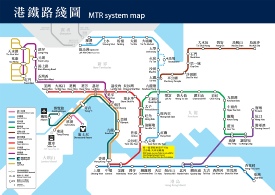
The one model that breaks this rule is MTR Corporation. Mass Transit Railway (MTR) is the rapid transit system that runs all of the subways and much of the busses in Hong Kong. It carries over 5 million passengers on a typical work day. MTR is described in Wikipedia as “one of the most profitable for such systems in the world”. What makes MTR very interesting is that the government of Hong Kong owns the controlling interest in MTR.
MTR makes the majority of its income from real estate development and not moving passengers. MTR funds the construction of subways by owning and developing the land around new subway stations. The development includes multi-
As with MTR, a new corporation can be set up to build and operate the APM. The government (people) would own the controlling interest in the corporation. Once the layout of the network is established, the government would purchase the necessary land around the terminal that is used for development. Like all corporations, the stock is freely traded and is used as a vehicle to raise capital for construction. The low initial cost of the APM system and extremely low operating cost make the corporation very profitable.
Financial Model for APM Development